Breaking news and cultural insights from Africa, the Caribbean, and Latin America. Stay informed with positive diaspora perspectives on history, music, identity, and more
African music continues to gain global recognition as artists from across the continent dominate international award stages. From Afrobeats to Amapiano, African creativity is reshaping the global music industry and strengthening the cultural influence of the African diaspora worldwide.
African singer Tyla has cemented her place as one of Africa’s biggest global music stars after winning her second Grammy Award for Best African Music Performance, further extending her record-breaking rise on the world stage.
The 24-year-old Johannesburg-born artist claimed the prize for her hit song “Push 2 Start,” beating a competitive field that included Nigerian superstars Ayra Starr, Burna Boy, and Davido, as well as Ugandan singer Eddy Kenzo. The ceremony took place in Los Angeles, where Tyla expressed pride in representing Africa internationally.
“This is insane, this is so insane! I’m just so lucky to be here, and I’m so proud to be African,” she said after the win. “I’m excited to see more of us over here.”
The award marks Tyla’s second consecutive Grammy victory in the category. She previously won in 2024 for her global smash “Water,” becoming the youngest African artist ever to win a Grammy.

From Viral Videos to Global Stardom
Tyla (born Tyla Laura Seethal, January 30, 2002) first gained major attention in 2021 with the music video for “Getting Late,” which portrayed her as a princess in a visual PAPER magazine described as a “fairy tale.” The video went viral in South Africa and drew early international interest.
She followed up with “Overdue,” featuring Kooldrink and DJ Lag in 2021, and “To Last” in 2022. Her fourth single, “Been Thinking,” released in 2023, garnered millions of views on YouTube—setting the stage for a global breakthrough.
That breakthrough came with “Water,” a sultry popiano track blending pop with amapiano, a South African dance music genre. Featuring the lyrics “Make me sweat, make me hotter / Make me lose my breath, make me water,” the song exploded on TikTok, driven by a viral clip of Tyla pouring water over herself during a bacardi-inspired dance routine choreographed by Lee-ché.
“Water” surged into the Billboard Top 10, earning Tyla the record as the highest-charting African female solo artist in history.
Albums, Awards, and Global Recognition
In 2024, Tyla won the inaugural Grammy Award for Best African Music Performance at the 66th Grammy Awards and released her self-titled debut album, Tyla. The project debuted at number 24 on the Billboard 200, later followed by a deluxe edition titled Tyla+.
She also delivered standout performances, including an appearance at the 2024 BET Awards in Los Angeles, further solidifying her crossover appeal.
Though Tyla initially announced plans for a 2024 international tour, she later canceled the run due to an injury.
A New Face of African Music
Signed to Epic Records in 2021, Tyla has been widely praised for popularizing African music and dance trends worldwide. She has described her sound as “popiano,” a fusion that has helped bring amapiano to global audiences.
Once briefly considering a future in mining engineering, Tyla instead pursued music relentlessly—posting songs online and reaching out across the industry until she caught the attention of Brandon Hixon, co-founder of New York-based FAX Records, who helped launch her professional career.
With two Grammys, Billboard records, and global recognition to her name, Tyla continues to redefine what’s possible for African artists on the world stage.
Tyla Dazzles at the Grammy!
Ghetto Life: Struggles, Survival, and Hope in Kingston, Jamaica
Ghetto Life: Struggles, Survival, and Hope in Kingston, Jamaica By Patricia N. McKenzie, RN options include:
A Memoir of Poverty, Violence, and Resilience in the Jamaican Capital
Stories of Faith, Survival, and Triumph in the Urban Ghetto
From Despair to Determination in Kingston’s Harshest StreetsA powerful and deeply personal reflection on the resilience of a forgotten community, Ghetto Life chronicles the daily battles, survival strategies, and enduring spirit of those living in Kingston’s urban ghettos. From pothole-filled streets to homes lit only by streetlamps, this gripping narrative explores poverty, discrimination, and the overlooked brilliance of people striving for a better life.
Through heartfelt storytelling, Patricia McKenzie honours the unsung heroes—mothers, fathers, students, vendors, and dreamers—who rise above adversity. She paints vivid portraits of community unity, cultural pride, and the pursuit of education against all odds. At once a memoir, a social commentary, and a call to action, this book reminds us: where you come from does not define where you can go.
Perfect for readers of social justice, memoir, Caribbean life, and those who believe in the power of hope.
The 1960s and 1970s marked a defining period in Black American history. It was an era shaped by racial segregation, violent repression, and a determined struggle for civil rights. Black assertiveness flourished in language, literature, politics, music, and the arts, even as white supremacy sought to suppress Black advancement. During this time, Black identity itself became an act of resistance.
James Brown’s declaration, “I’m Black and I’m proud,” captured the spirit of a people refusing invisibility. Music became more than entertainment; it was a political and cultural battlefield. It was within this turbulent social and historical context that Michael Jackson emerged, not merely as a child prodigy, but as a future Black cultural icon whose global influence would transcend race, nation, and generation.
The Civil Rights Context of Michael Jackson’s Rise
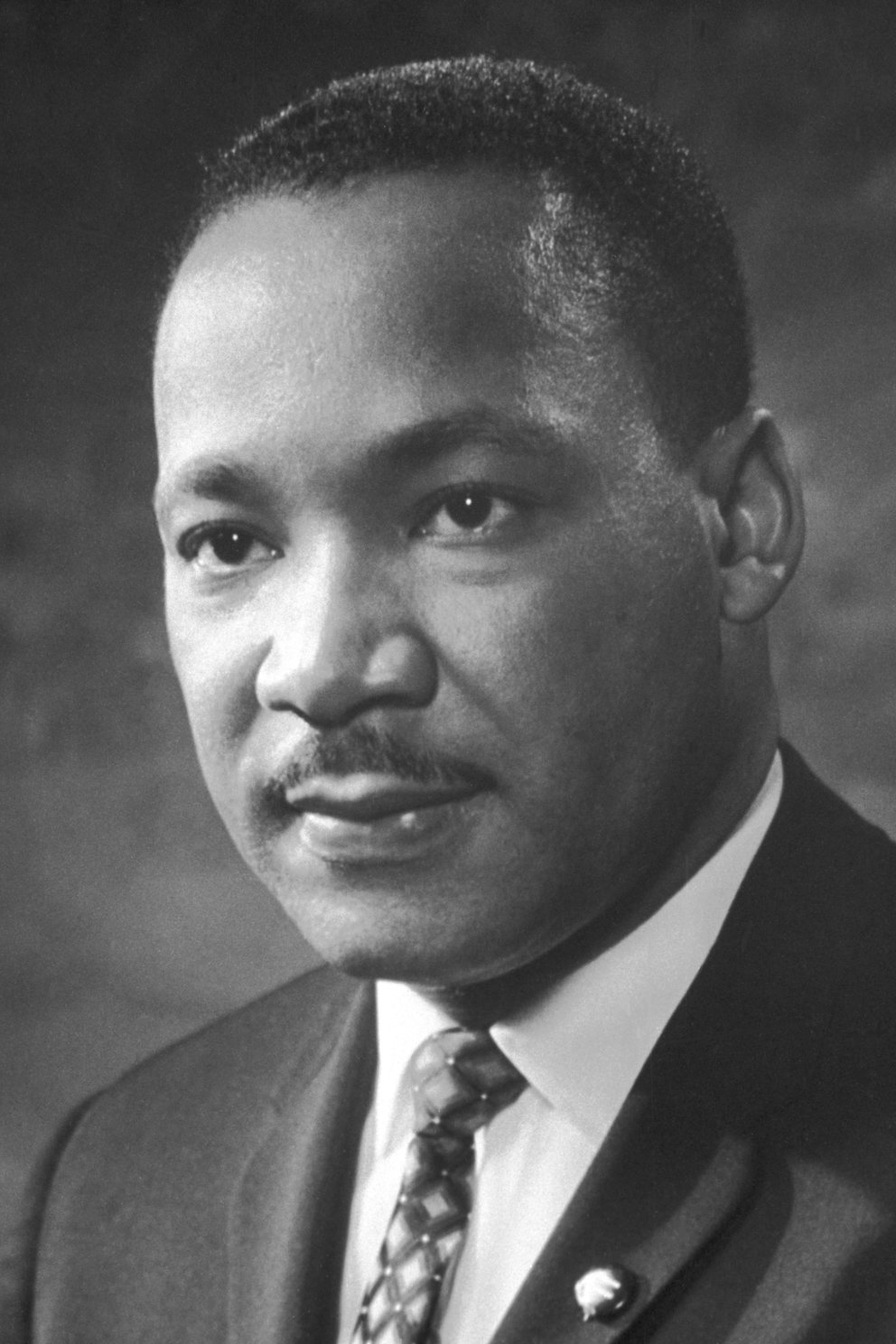
The civil rights movement defined the moral struggle of mid-20th-century America. Black people faced police brutality, public lynchings, and systemic exclusion. Leaders such as Dr. Martin Luther King Jr. stood at the forefront of the fight for justice, while countless unnamed individuals paid the ultimate price for demanding dignity.
Michael Jackson’s rise to fame must be understood against this backdrop. As a young Black boy entering a predominantly white entertainment industry, his success carried immense symbolic weight. His presence on national television, radio, and global stages challenged deeply entrenched racist stereotypes about Black capability, talent, and humanity.
The Jackson 5 and Breaking Racial Barriers
The emergence of The Jackson 5 in the late 1960s represented a cultural breakthrough. In a racist era still haunted by the murder of Emmett Till and the violent suppression of Black resistance, five Black brothers from Gary, Indiana captured the hearts of America.
Michael Jackson, alongside Jackie, Tito, Jermaine, Marlon, and later Randy, helped redefine how Black artists were perceived. Their talent, professionalism, and mass appeal disrupted long-standing racial hierarchies within the music industry. Janet Jackson would later continue this legacy, achieving her own extraordinary success, further cementing the Jackson family’s historical impact on Black culture.
Their achievements helped dismantle myths imposed on Black people and demonstrated, powerfully, that excellence could not be confined by racism.
Michael Jackson as a Black Cultural Lighthouse
Michael Jackson evolved into more than a superstar; he became a cultural lighthouse. His music, dance, and visual artistry reflected the possibilities of Black genius in a world determined to limit it. Like earlier trailblazers such as Sammy Davis Jr. and Sam Cooke, Michael used his platform to speak on behalf of Black artists and to challenge discriminatory industry practices.
As one writer noted, Michael Jackson participated in the civil rights tradition by advocating for fairness and opportunity within the music business. His success illuminated pathways for others, making it easier for future generations of Black performers to gain access to radio, television, and global markets.
Music as Resistance and Affirmation
Michael Jackson’s work emerged from a “boiling pot” of cultural and social ferment. His success unfolded amid tidal waves of injustice, yet his music carried joy, unity, and affirmation. Through rhythm, melody, and movement, he strengthened Black pride and self-esteem, particularly among young people.
His achievements were shared victories within the Black community. Each milestone represented progress not only for Michael Jackson, but for a people historically denied recognition. His global influence demonstrated that Black creativity could command the world’s attention without enduring erasure.
A Global Black Legacy
Michael Jackson’s impact extended far beyond the United States. Though he never performed in the People’s Republic of China during his 1987 visit, his influence remains deeply embedded in global youth culture. Fans like Chinese performer Wang Jingyuan, who dedicates his craft to honoring Michael’s artistry, demonstrate how Jackson’s spirit lives on worldwide.
This global resonance underscores the universality of Black cultural expression. Michael Jackson became a bridge between cultures, proving that Black artistry speaks a universal language of rhythm, emotion, and humanity.
Black Excellence Amid Tragedy
Despite the personal pain, media scrutiny, and tragedy that marked the later years of his life, Michael Jackson’s Black legacy remains unshaken. His creative genius as a songwriter, choreographer, singer, and performer is unmatched. Rolling Stone Magazine famously described him as “a Black superhero,” acknowledging his transformative role in world music and culture.
In death, his music transcended controversy and returned to its pure purpose: spreading joy, hope, and connection.
Michael Jackson’s Place in Black History
Michael Jackson stands alongside figures such as Frederick Douglass, Sojourner Truth, Marcus Garvey, Dr. Martin Luther King Jr., and Bob Marley—individuals who served as cultural and spiritual lighthouse keepers for Black people worldwide. Through excellence in the arts, he helped guide generations toward dignity and self-belief.
During Black History Month, Michael Jackson must be recognized not only as the King of Pop, but as a vital contributor to Black history. His life and legacy affirm a powerful truth: despite oppression, the Black spirit cannot be crushed, and Black brilliance will always find a way to shine.
The Myth of the Black Ancestral Curse: Religion, Race, and the Psychological Legacy of Slavery!
Norris R. McDonald,DIJ CRT, Author, Economic Journalist, Poet, & Human Rights Activist
For centuries, Black people have been told that their suffering is divine punishment—ordained by God and passed down through a mythical “ancestral curse.”
In this powerful, eye-opening work, Norris R. McDonald, DIJ, dismantles one of the most enduring and damaging lies in Christian history: the so-called Curse of Ham. From the hymnals of colonial churches to the halls of modern academia, this myth has been used to justify slavery, colonization, and systemic racism.
With clarity, historical depth, and spiritual conviction, McDonald traces how scripture was distorted, how Black history was erased, and how liberation must begin with truth.
Drawing from the Bible, classical history, and Black theological thought, this short but impactful book challenges readers to confront religious indoctrination, reclaim their dignity, and break spiritual chains that have lasted for generations. Whether you're a student of theology, an activist for racial justice, or a seeker of historical truth—The Myth of the Ancestral Curse will inspire, inform, and empower you.
By Norris R. McDonald, Sulfabittas News, Google Blogger
Norris R McDonald, DIJ, CRT, Sulfabittas News Syndicate
KINGSTON, Jamaica, SULFABITTAS NEWS SYNDICATE— Jamaica’s pristine beaches and fragile marine ecosystems could face significant environmental threats from proposed oil and gas exploration, prompting concern among environmental experts, tourism stakeholders, fishing communities, and civil society organizations.
As energy companies expand offshore exploration across the Caribbean, debate is intensifying over whether the potential economic benefits outweigh the environmental risks for small island states like Jamaica.
Oil Spill Risks in a Tourism-Dependent Nation
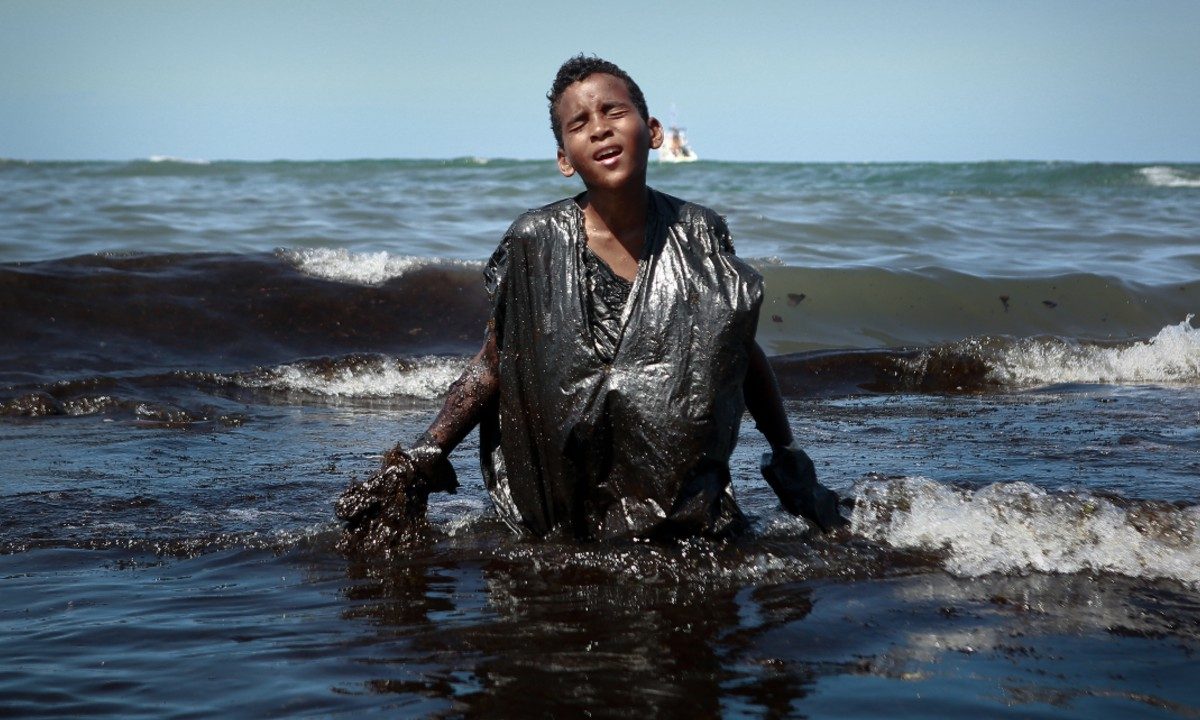
Oil spills remain one of the most serious dangers associated with offshore drilling. Accidents during exploration, drilling, or transportation can release oil into surrounding waters, contaminating beaches and nearshore ecosystems.
“In a tourism-based economy like Jamaica’s, even a moderate oil spill could have devastating and long-lasting impacts,” said a marine environmental scientist with experience in Caribbean coastal systems. “Warm tropical waters make containment more difficult, and recovery is often slow or incomplete.”
Coral Reefs and Marine Ecosystems Under Pressure
Jamaica’s coral reefs are already under strain from climate change, pollution, and overfishing. Oil and gas exploration could intensify these pressures through drilling waste, accidental leaks, and reduced water clarity.
Environmental organizations, including the Jamaica Environment Trust (JET), have repeatedly warned that additional industrial activity could accelerate reef degradation.
“Coral reefs are not just underwater attractions — they are essential natural infrastructure,” a JET representative said. “Once they are damaged, beaches erode faster, fisheries decline, and coastal communities lose protection from storms.”
Seismic Surveys and Impact on Marine Life
Before drilling begins, oil companies typically conduct seismic surveys using powerful underwater sound waves to locate oil and gas deposits. Scientific research has linked these surveys to disruptions in marine mammal behavior, fish migration, and spawning patterns.
Fishing organizations, including members of the All-Island Fisherfolk Association of Jamaica (AIFAJ), have raised concerns about the impact on livelihoods.
“When fish move away from traditional fishing grounds, fishers feel it immediately,” an AIFAJ representative said. “Reduced catches affect income, food security, and entire coastal communities.”
Coastal Erosion and Loss of Natural Defenses
Oil and gas infrastructure, such as pipelines, ports, and support facilities, can damage mangroves and seagrass beds. These ecosystems serve as natural buffers against storm surges and coastal erosion.
Environmental planners note that Jamaica’s mangroves are already declining and that further degradation could increase vulnerability to hurricanes, flooding, and sea-level rise.
Tourism Industry Concerns
Tourism stakeholders have also expressed concern about the reputational risk associated with offshore drilling.
Industry representatives from groups such as the Jamaica Hotel and Tourist Association (JHTA) have previously emphasized that Jamaica’s competitive advantage lies in its clean beaches and natural beauty.
“Even the perception of pollution can affect bookings,” a tourism industry source noted. “Once confidence is lost, it can take years to rebuild.”
Government and Regulatory Response
Government officials have stated that any oil and gas exploration would be subject to strict environmental oversight. The National Environment and Planning Agency (NEPA) has emphasized that comprehensive Environmental Impact Assessments (EIAs) are required before approval of offshore activities.
In previous statements, NEPA has indicated that proposed projects must demonstrate minimal risk to marine ecosystems and coastal communities and comply with national environmental regulations.
The Ministry responsible for energy has also noted that Jamaica continues to explore a diversified energy mix, including renewable sources, while assessing potential fossil fuel resources.
Economic Trade-Offs and Long-Term Costs
Policy analysts caution that while oil and gas development may offer short-term revenue, environmental damage could undermine Jamaica’s long-term economic stability.
“Short-term extraction income must be weighed against long-term losses in tourism, fisheries, and coastal protection,” said a sustainable development policy analyst. “Once beaches and reefs are compromised, the economic consequences can last generations.”
A National Policy Crossroads
Jamaica’s energy decisions come amid global shifts toward renewable energy and climate-resilient development. Environmental and civil society groups argue that protecting beaches, reefs, and fisheries aligns more closely with the country’s long-term interests.
“The decisions made now will define Jamaica’s coastline for decades,” one environmental advocate said. “This is about choosing resilience over risk.”