

BLACK HISTORY MONTH FEATURE
The Historical Significance of Michael Jackson’s Contribution to Black History, Culture, and Music
By Norris R. McDonald, DIJ,CRT

The 1960s and 1970s marked a defining period in Black American history. It was an era shaped by racial segregation, violent repression, and a determined struggle for civil rights. Black assertiveness flourished in language, literature, politics, music, and the arts, even as white supremacy sought to suppress Black advancement. During this time, Black identity itself became an act of resistance.
_(contrast).jpg/960px-Michael_Jackson_1983_(3x4_cropped)_(contrast).jpg) |
James Brown’s declaration, “I’m Black and I’m proud,” captured the spirit of a people refusing invisibility. Music became more than entertainment; it was a political and cultural battlefield. It was within this turbulent social and historical context that Michael Jackson emerged, not merely as a child prodigy, but as a future Black cultural icon whose global influence would transcend race, nation, and generation.
The Civil Rights Context of Michael Jackson’s Rise
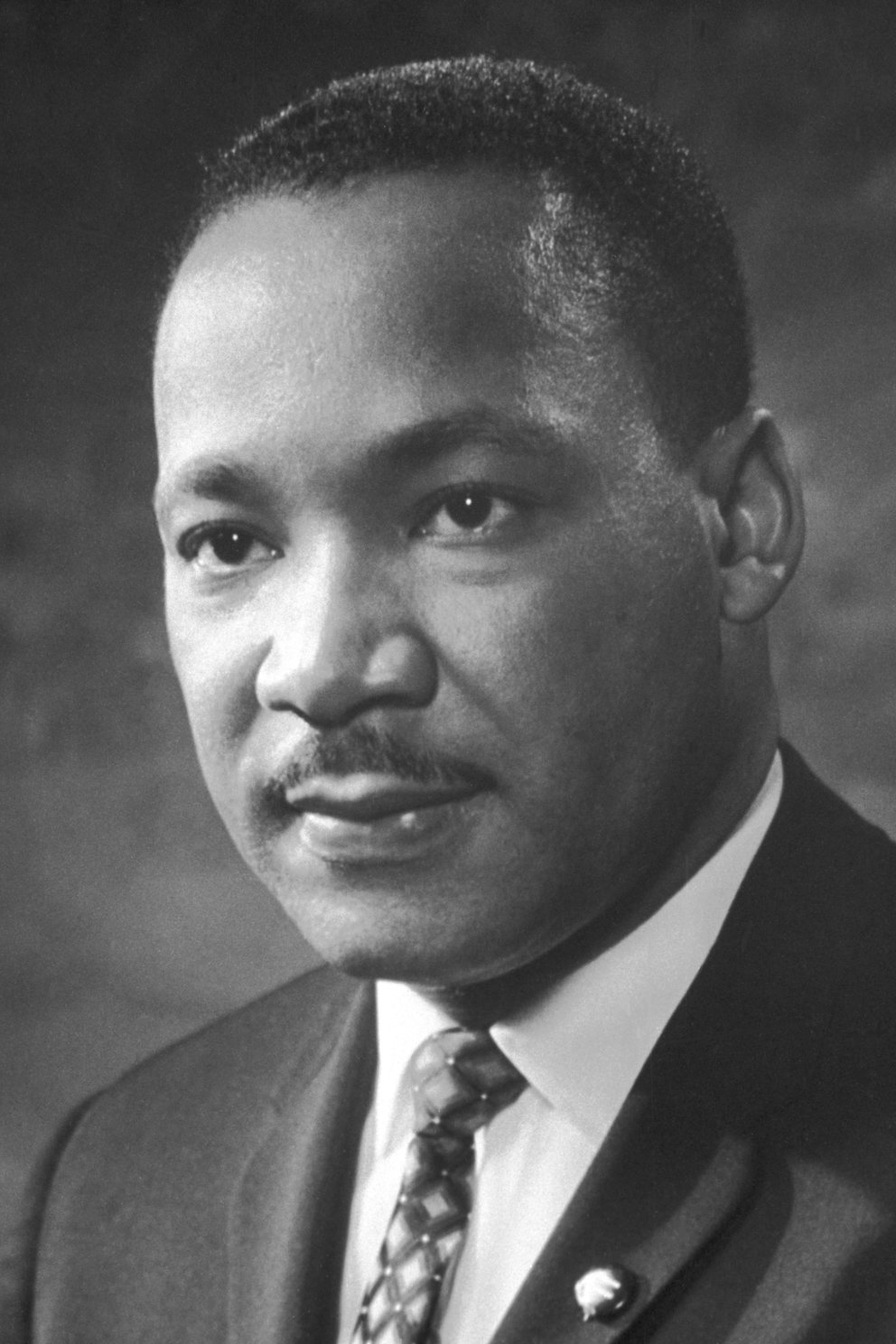
The civil rights movement defined the moral struggle of mid-20th-century America. Black people faced police brutality, public lynchings, and systemic exclusion. Leaders such as Dr. Martin Luther King Jr. stood at the forefront of the fight for justice, while countless unnamed individuals paid the ultimate price for demanding dignity.
The Jackson 5 and Breaking Racial Barriers
The emergence of The Jackson 5 in the late 1960s represented a cultural breakthrough. In a racist era still haunted by the murder of Emmett Till and the violent suppression of Black resistance, five Black brothers from Gary, Indiana captured the hearts of America.
Michael Jackson, alongside Jackie, Tito, Jermaine, Marlon, and later Randy, helped redefine how Black artists were perceived. Their talent, professionalism, and mass appeal disrupted long-standing racial hierarchies within the music industry. Janet Jackson would later continue this legacy, achieving her own extraordinary success, further cementing the Jackson family’s historical impact on Black culture.

Their achievements helped dismantle myths imposed on Black people and demonstrated, powerfully, that excellence could not be confined by racism.
Michael Jackson as a Black Cultural Lighthouse
Michael Jackson evolved into more than a superstar; he became a cultural lighthouse. His music, dance, and visual artistry reflected the possibilities of Black genius in a world determined to limit it. Like earlier trailblazers such as Sammy Davis Jr. and Sam Cooke, Michael used his platform to speak on behalf of Black artists and to challenge discriminatory industry practices.
As one writer noted, Michael Jackson participated in the civil rights tradition by advocating for fairness and opportunity within the music business. His success illuminated pathways for others, making it easier for future generations of Black performers to gain access to radio, television, and global markets.
Music as Resistance and Affirmation
Michael Jackson’s work emerged from a “boiling pot” of cultural and social ferment. His success unfolded amid tidal waves of injustice, yet his music carried joy, unity, and affirmation. Through rhythm, melody, and movement, he strengthened Black pride and self-esteem, particularly among young people.
His achievements were shared victories within the Black community. Each milestone represented progress not only for Michael Jackson, but for a people historically denied recognition. His global influence demonstrated that Black creativity could command the world’s attention without enduring erasure.
A Global Black Legacy
Michael Jackson’s impact extended far beyond the United States. Though he never performed in the People’s Republic of China during his 1987 visit, his influence remains deeply embedded in global youth culture. Fans like Chinese performer Wang Jingyuan, who dedicates his craft to honoring Michael’s artistry, demonstrate how Jackson’s spirit lives on worldwide.
This global resonance underscores the universality of Black cultural expression. Michael Jackson became a bridge between cultures, proving that Black artistry speaks a universal language of rhythm, emotion, and humanity.
Black Excellence Amid Tragedy
Despite the personal pain, media scrutiny, and tragedy that marked the later years of his life, Michael Jackson’s Black legacy remains unshaken. His creative genius as a songwriter, choreographer, singer, and performer is unmatched. Rolling Stone Magazine famously described him as “a Black superhero,” acknowledging his transformative role in world music and culture.
In death, his music transcended controversy and returned to its pure purpose: spreading joy, hope, and connection.
Michael Jackson’s Place in Black History
.webp)
Michael Jackson stands alongside figures such as Frederick Douglass, Sojourner Truth, Marcus Garvey, Dr. Martin Luther King Jr., and Bob Marley—individuals who served as cultural and spiritual lighthouse keepers for Black people worldwide. Through excellence in the arts, he helped guide generations toward dignity and self-belief.
During Black History Month, Michael Jackson must be recognized not only as the King of Pop, but as a vital contributor to Black history. His life and legacy affirm a powerful truth: despite oppression, the Black spirit cannot be crushed, and Black brilliance will always find a way to shine.
The Myth of the Black Ancestral Curse: Religion, Race, and the Psychological Legacy of Slavery!

Myth of the Black Ancestral Curse is a critical study of phycological legacies of slavery and the role religion and race plays in reenforcing racist stereotypes.
This book:
- Deconstructing the Curse of Ham, Colonial Lies, and the Struggle for Black Liberation
- How Slavery, Religion, and Myth Created Generational Trauma—and How We Break Free
- Unmasking Religious Racism and Reclaiming Black Spiritual Freedom
For centuries, Black people have been told that their suffering is divine punishment—ordained by God and passed down through a mythical “ancestral curse.”
In this powerful, eye-opening work, Norris R. McDonald, DIJ, dismantles one of the most enduring and damaging lies in Christian history: the so-called Curse of Ham. From the hymnals of colonial churches to the halls of modern academia, this myth has been used to justify slavery, colonization, and systemic racism.
With clarity, historical depth, and spiritual conviction, McDonald traces how scripture was distorted, how Black history was erased, and how liberation must begin with truth.
Drawing from the Bible, classical history, and Black theological thought, this short but impactful book challenges readers to confront religious indoctrination, reclaim their dignity, and break spiritual chains that have lasted for generations.
Whether you're a student of theology, an activist for racial justice, or a seeker of historical truth—The Myth of the Ancestral Curse will inspire, inform, and empower you.


No comments:
Post a Comment